
How Event AI Is Changing Wedding Planning Today
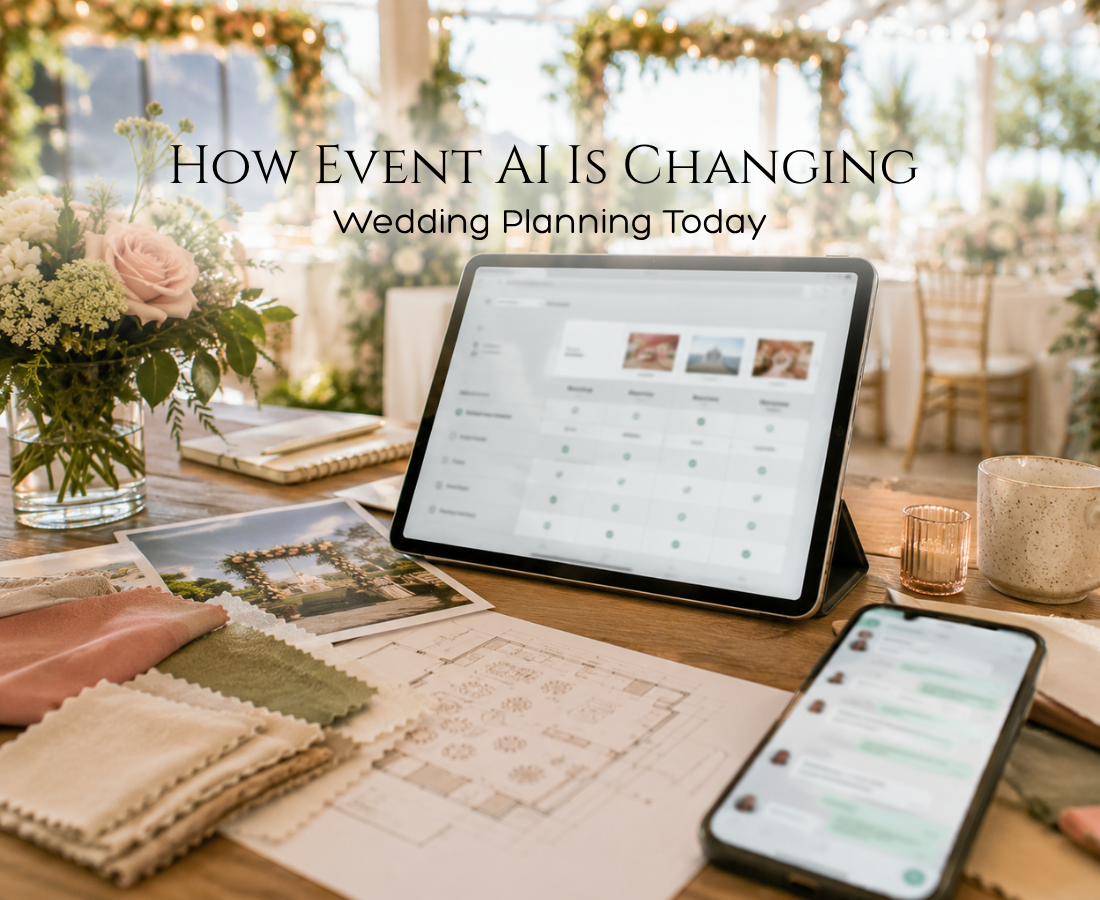
Not long ago, wedding planning meant spreadsheets, endless vendor calls, and a planner’s memory as the only real system holding everything together. That’s changing fast. Event AI is now quietly reshaping how weddings and corporate events get planned — from the first vendor shortlist to the final guest headcount — and the shift is happening faster than most couples or businesses realise. This guide breaks down exactly where AI is making a real difference in wedding planning and event management today, and where human expertise still matters more than ever.
Related: Explore Our Full Wedding Planning Services → connectxevents.com/#services
What “Event AI” Actually Means in Practice

Event AI isn’t a single tool — it’s a growing set of technologies being applied across different parts of the planning process: AI event planning platforms that match couples with vendors, event automation tools that handle RSVP tracking and guest communication, and generative design tools that let couples preview décor concepts before a single flower is ordered. Understanding where AI actually adds value — versus where it’s just a buzzword — is the first step to using it well.
Where AI Is Genuinely Changing Event Planning
Vendor and Venue Matching
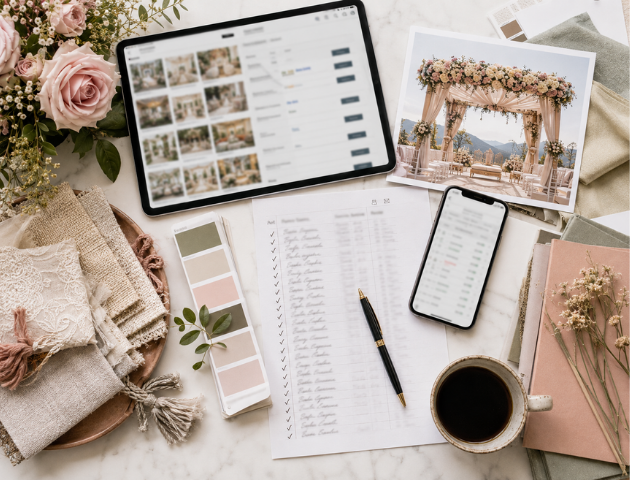
AI in event management platforms can now cross-reference a couple’s budget, guest count, location, and style preferences against thousands of venues and vendors in seconds — a process that used to take a planner days of manual research. This doesn’t replace the judgment needed to actually evaluate a vendor, but it dramatically shortens the shortlist couples and planners start from. Even a quick search for wedding planning companies near me today often surfaces AI-assisted shortlists before a couple has spoken to a single vendor directly.
Guest List and RSVP Management
Smart event planning tools now handle RSVP tracking, dietary preference collection, and seating chart optimisation with far less manual back-and-forth than a spreadsheet-based process. For large Indian weddings with multi-function guest lists, this kind of event automation meaningfully reduces the administrative load that used to fall entirely on the couple or their planner.
Budget Forecasting
AI wedding planning tools can now model realistic budget breakdowns based on real data from thousands of past events — venue type, guest count, city, and season — giving couples a far more accurate starting estimate than generic online calculators. This is especially useful early in destination wedding planning, before a couple has finalised wedding venue booking or spoken to a single vendor.
Design and Décor Previews
Generative design tools can now produce realistic mockups of a mandap, stage, or table setting in a chosen colour palette before any physical décor is built. This lets couples and planners iterate on event planning trends and design directions quickly, catching mismatches between vision and venue long before the wedding day.
Corporate Event Logistics
For corporate event technology, AI is increasingly used for attendee registration, session scheduling at multi-track conferences, and even real-time logistics adjustments — flagging catering shortfalls or space conflicts before they become visible problems on the day. Many companies for event management now build these tools directly into their corporate event planning workflows, rather than treating them as a separate add-on.
Where AI Still Falls Short

Despite the momentum, event planning software built on AI has real limits that matter for anyone planning a high-stakes event:
- It can’t negotiate — vendor relationships, contract terms, and last-minute problem-solving still require a human who knows the vendor personally
- It can’t read a room — the judgment calls a planner makes on the day (adjusting a timeline, calming a nervous family member, reworking a seating chart last-minute) aren’t things current AI tools can do
- It can produce generic recommendations — AI-generated vendor shortlists or design mockups are a starting point, not a finished decision; they still need a planner’s eye to catch what actually fits a specific couple or brand
- Data quality varies — budget and vendor-matching tools are only as good as the data they’re trained on, which can be inconsistent across regions, especially for India’s fragmented, highly localised vendor landscape
According to research from McKinsey on AI adoption in services industries, AI tools tend to deliver the most value when they handle repetitive, data-heavy tasks while leaving judgment-based decisions to experienced professionals — a pattern that maps directly onto what we’re seeing in event planning today.
The Future of Event Planning With AI
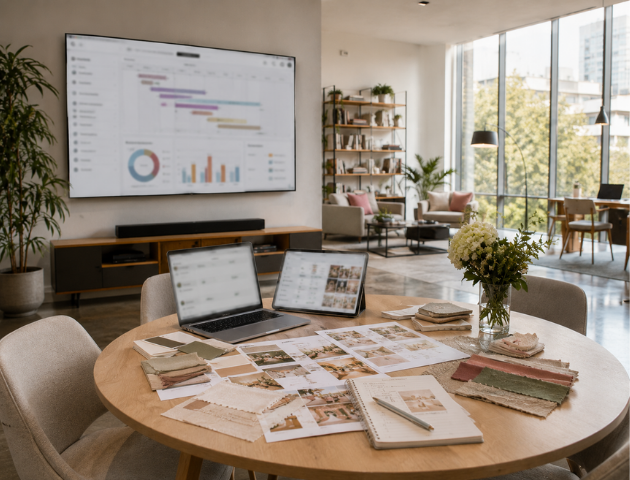
Looking ahead, the future of event planning likely isn’t AI replacing planners — it’s AI handling more of the repetitive groundwork (research, scheduling, budget modelling) so planners can spend more time on the parts of the job that actually require human judgment: taste, negotiation, and genuine care for a couple’s or company’s specific vision. For virtual event planning and hybrid corporate formats especially, AI-driven scheduling and attendee engagement tools are likely to keep expanding fastest, since these formats generate the most structured data for AI tools to work with.
How ConnectX Events Uses Technology Without Losing the Human Touch
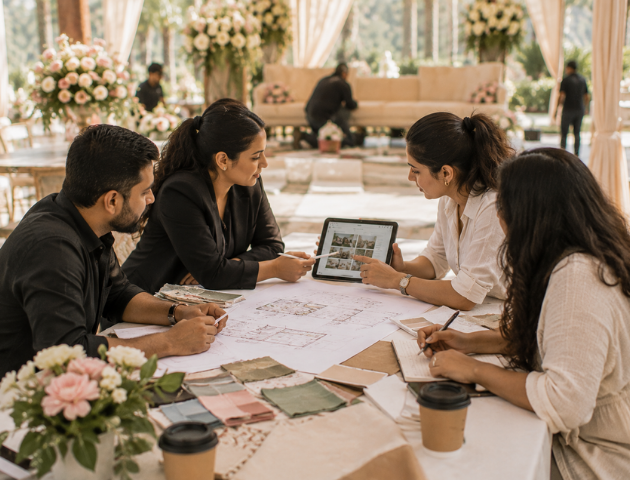
At ConnectX Events, we treat AI as a tool for our planners, not a replacement for them. Here’s how that plays out in practice:
- AI handles the first draft, planners handle the final call. We use AI to generate initial budgets, vendor shortlists, and design concepts — but every recommendation is reviewed and refined by a planner before it reaches a couple. Nothing goes to a client untouched by human judgment.
- We use AI to create time, not cut it. The hours saved on manual research, spreadsheets, and admin get reinvested into face-to-face client meetings, venue walkthroughs, and vendor relationship-building — the parts of planning that actually need a person in the room.
- Every couple still gets a dedicated planner. AI tools inform the process, but they don’t talk to clients, make emotional judgment calls, or manage family dynamics on the wedding day. That’s always a person — the same planner from the first meeting through to the last dance.
- We keep AI-generated design work grounded in real vendor capability. A mood board or table concept isn’t useful if a florist can’t actually deliver it. Our planners cross-check every AI-generated design idea against real vendor availability, materials, and cost before presenting it to a couple.
- We use AI to catch problems, but planners solve them. Timeline conflicts, guest logistics issues, and scheduling clashes are flagged automatically — but resolving them still takes a planner’s understanding of the couple, their families, and the venue.
- We’re transparent with clients about where AI is used. Couples know which parts of the process are AI-assisted and which are entirely planner-led, so there’s never a question about who’s actually making the decisions that matter.
- Human relationships remain the foundation. Vendor trust, couple rapport, and on-the-day instincts are built over years — not something AI can replicate. We use AI to strengthen those relationships with better information, not to replace them.
The goal isn’t a more automated wedding. It’s a more prepared, more present planning team, one that spends less time on logistics and more time on the couple in front of them.
Frequently Asked Questions About Event AI
Will AI replace wedding planners?
Unlikely in the near term. Event AI is best at handling data-heavy, repetitive tasks — vendor shortlisting, budget modelling, RSVP tracking — while judgment-based decisions like vendor negotiation and on-the-day problem-solving still require an experienced human planner.
What are the most useful AI tools for event planning right now?
The most mature event planning software categories today are RSVP and guest management, budget forecasting, and generative design previews for décor and layouts.
Is AI event planning only useful for large events?
No — smart event planning tools scale down well for smaller and more intimate weddings too, particularly for budget modelling and vendor shortlisting, where the time savings matter regardless of guest count. Even boutique wedding planning services built around a single planner are increasingly adopting these tools to compete with larger agencies.
How is AI used differently in corporate events versus weddings?
Corporate event technology tends to focus more on registration, session scheduling, and real-time logistics at scale, while AI wedding planning tools lean more toward vendor matching, budget forecasting, and design visualization.
Explore More from ConnectX Events
→ Our Services: Discover our full range of luxury wedding and event planning services
→ Get in Touch: Book a free consultation with our wedding planning team
→ Read Next: WEDDING PLANNING CHECKLIST: A MONTH-BY-MONTH GUIDE FOR COUPLES
Final Thoughts
Event AI is already changing how the groundwork of event planning gets done — faster vendor research, smarter budgeting, quicker design previews. But the events that actually feel special still come down to the same thing they always have: an experienced planner who understands the people they’re planning for. The couples and companies who get the most value from these tools are the ones using AI to move faster on the basics, so more time and energy goes into the details that make an event genuinely memorable.
Found this useful? Share it with someone curious about where event planning is headed next.